When people think about art, they usually imagine paintings in museums, famous novels, or classical music. However, when someone mentions comics, anime, or superhero movies, these are sometimes treated as entertainment rather than serious art. I think this distinction is unfair because something does not have to be complicated or difficult to understand to communicate an important message. After learning about Scott McCloud’s Understanding Comics and Alison Bechdel’s Fun Home, I started thinking about how we judge different forms of art and why some receive more respect than others.
The difference between “high” and “low” art usually comes from how society values different forms of entertainment. High art is generally associated with classical literature, paintings, theater, and other works that are considered intellectually or culturally important. Low art, on the other hand, is usually associated with popular entertainment, including comics, cartoons, anime, and blockbuster movies. Historically, comics have often been stereotyped as entertainment for children or teenagers, especially boys. Their stories are commonly associated with superheroes, fantasy, humor, and action rather than serious subjects. However, I believe these labels say more about society’s expectations than the actual quality of the artwork.
In Understanding Comics, Scott McCloud challenges these assumptions by explaining that comics are a form of communication that combines images and storytelling. He defines comics through images arranged in a deliberate sequence to communicate information or create an artistic response (McCloud, 9). What I find interesting about his argument is that comics should not be judged only by their appearance or their association with superheroes. Instead, we should recognize that the combination of images and words allows artists to communicate ideas in ways that traditional writing cannot always accomplish.
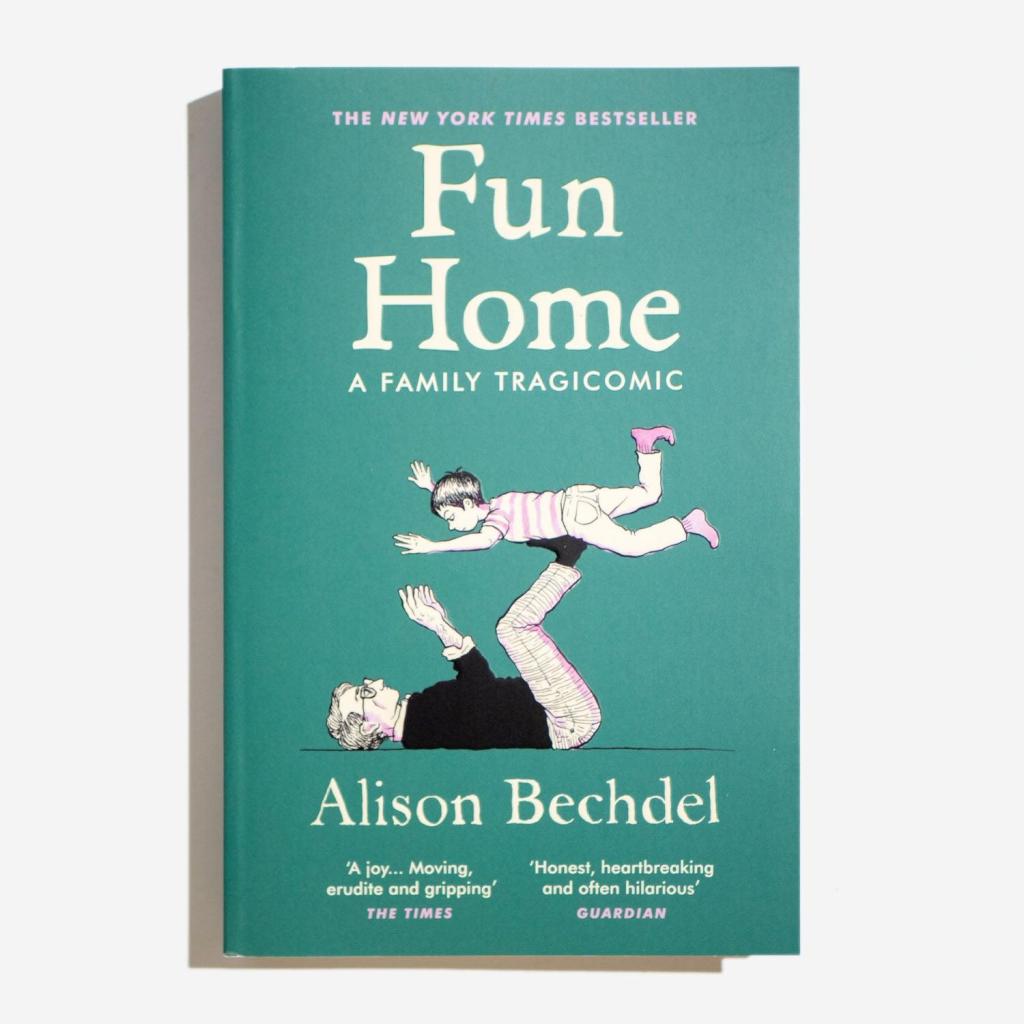
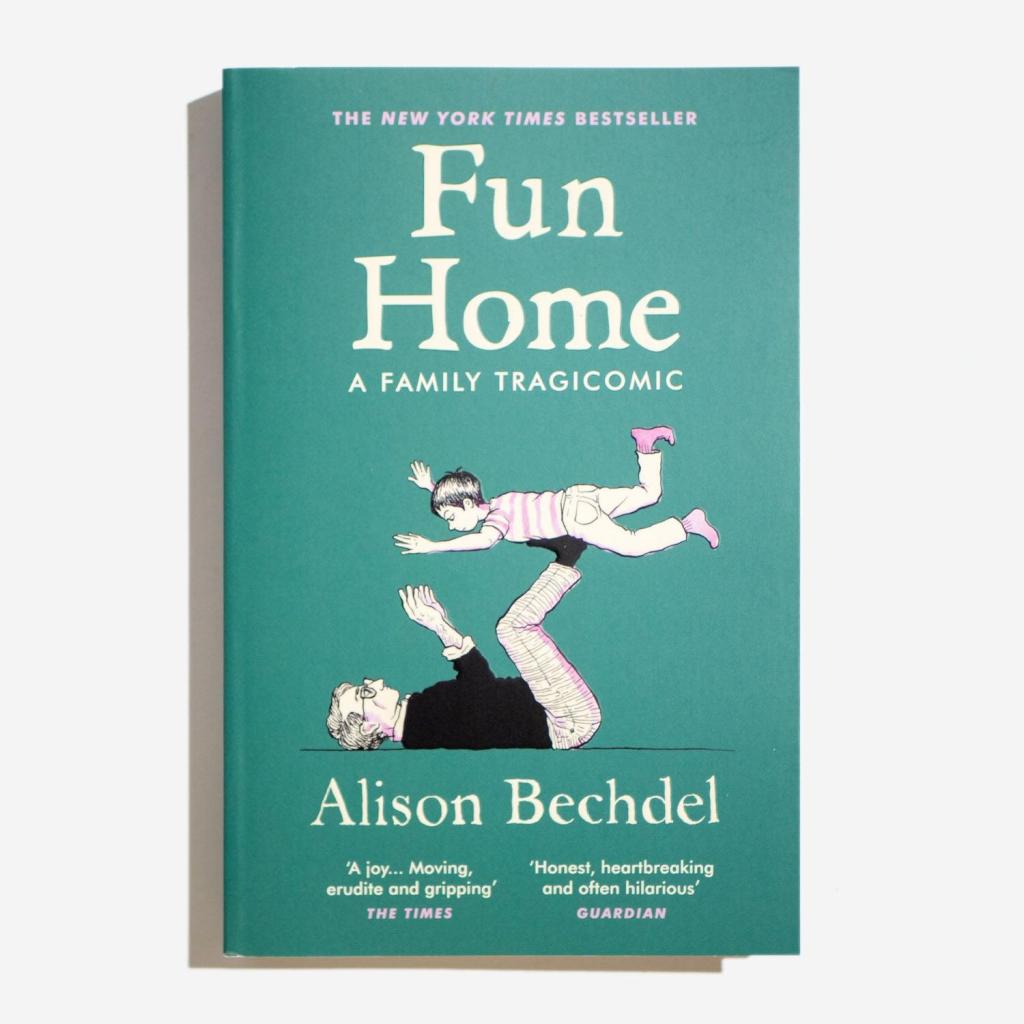
Alison Bechdel’s Fun Home: A Family Tragicomic demonstrates this argument. Even though the memoir is presented through drawings and comic panels, the story explores extremely serious issues, including family relationships, sexuality, emotional repression, and death. One of the most important aspects of the story is Bechdel’s relationship with her father, Bruce. Throughout her childhood, she struggles to understand him, especially because he hides important parts of his personal life. As Bechdel becomes more comfortable understanding her own sexuality, she also begins recognizing the difficulties her father experienced while hiding his.
What makes Fun Home especially powerful is how Bechdel uses illustrations to communicate emotions that might be difficult to explain through words alone. For example, the drawings of her family’s house show how much attention her father gives to maintaining a perfect appearance. However, this carefully maintained home contrasts with the emotional distance and secrets within the family. To me, this suggests that appearances do not always reflect what people are experiencing privately. The images make this contradiction easier to recognize because readers can actually see the environment that Bechdel describes.
This connects to McCloud’s argument because comics can communicate multiple ideas at the same time. Instead of only reading about someone’s sadness or discomfort, readers can observe facial expressions, body language, and the surroundings. This can make the experience more emotional and personal. In some situations, I believe visual storytelling can communicate a serious message more effectively than traditional literature because it allows readers to interpret both the words and the images.
Another example that personally makes me question the difference between high and low art is the anime Jujutsu Kaisen. At first glance, someone unfamiliar with the series might assume it is simply about characters fighting supernatural creatures. However, beyond the action, the story explores death, suffering, morality, and the responsibilities people have toward others.
One character who demonstrates this is Yuji Itadori. Throughout the story, Yuji experiences situations where he cannot save everyone, even when he tries his hardest. These experiences force him to question his purpose and what it means to help other people. What makes this interesting to me is that the series uses supernatural battles to explore problems that people experience in real life, such as guilt, grief, and the difficulty of making moral decisions.
I think this challenges the distinction between high and low art because a story does not need to be realistic to communicate something meaningful. Even though Jujutsu Kaisen includes fictional powers and exaggerated battles, the emotional experiences of its characters can still connect with the audience. Just like Fun Home, it demonstrates that visual storytelling can address complicated subjects while remaining entertaining.
Ultimately, I believe that separating art into high and low categories can prevent people from appreciating meaningful stories simply because of the medium they use. McCloud explains why comics deserve recognition as an artistic form, while Bechdel demonstrates what that form can accomplish. Whether someone is reading a graphic memoir, watching anime, or studying a classical novel, what matters most is the message being communicated and the impact it has on the audience. Art should not be considered less valuable simply because it is accessible or entertaining.


Leave a Reply