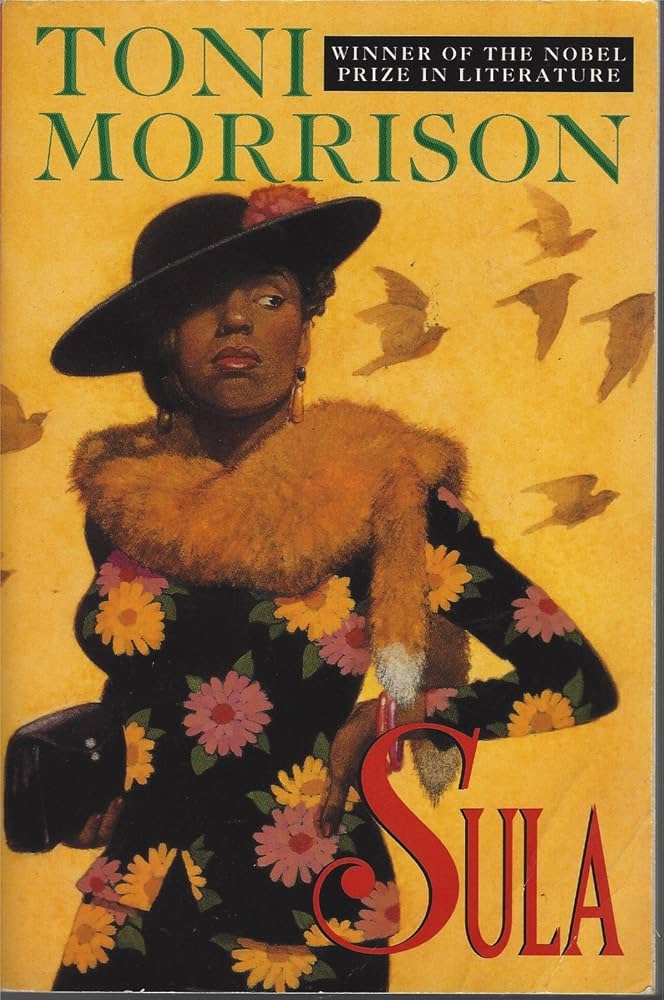
While reading Sula, I kept thinking about how people in Medallion judge Sula just because she does not live the way they expect her to. It seems like people already have an idea of what a women should do with her life. She should get married, have children, and follow the rules. But Sula wants something different. She wants to make her own choices, even if people do not agree with them. This reminded me of Audre Lorde’s essay “ The transformation of Silence into Language and Action.”
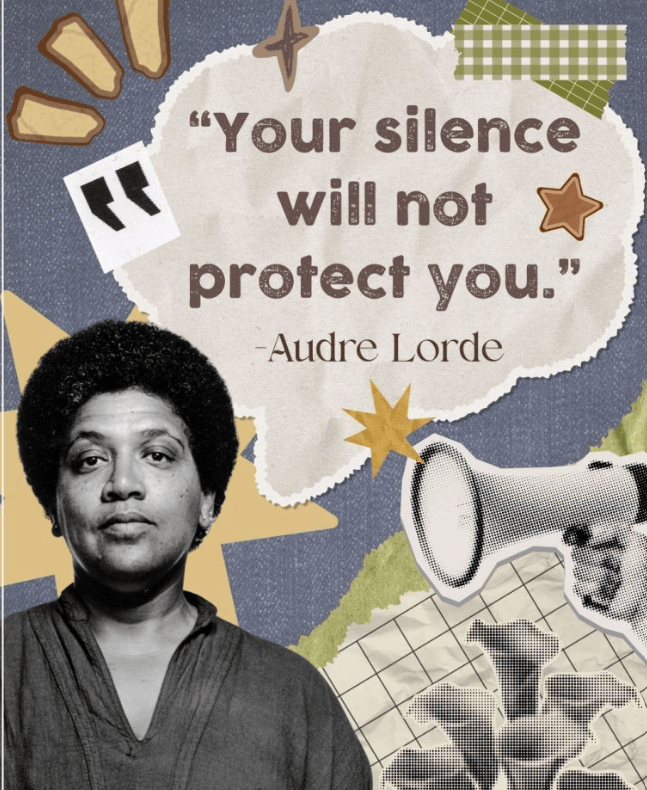
Lorde writes, “My silences had not protected me. Your silence will not protect you” (Lorde, 41). To me, this means that staying silent does not always keep us safe. Sometimes we hide our feelings or change ourselves because we fear what people will say. But doing that can mean losing a part of ourselves. Lorde explains why it is important to speak up and be honest about who we are, even when it is uncomfortable.
I see this idea when Sula talks to her grandmother, Eva, about marriage and having children. Eva tells her, “When you gone to get married? You need to have some babies. It’ll settle you”(Morrison,92). Eva seems to believe that becoming a mother will make Sula more responsible and normal. But Sula answers, “I don’t want to make somebody else. I want to make myself”(Morrison, 92).
I think this is one of the most important moments in the book. Sula is saying that she does not want her whole life to be about taking care of someone else or meeting other people’s expectations. She wants to figure out who she is for herself. This makes her a very strong character by not pretending she wants the same things Eva wants for her.
Because Sula makes her own choices, the people in Medallion treat her like an outsider. This connects to the idea of othering, which is when people treat someone as different and make them feel like they do not belong. Sula does not follow the same expectations as the other women, so the community judges her relationships and the way she lives, instead of trying to understand her. It feels like the community needs someone to label as bad so that everyone can feel good about themselves. Sula becomes that person because she refuses to follow their rules. This connects to Lorde because Sula does not hide what she wants just to be accepted by others.
I do not think Sula is perfect, and some of her choices hurt people around her. Being independent does not mean someone can’t make mistakes. But I also do not think that makes it fair for everyone to judge her without trying to understand her. There is a difference between disagreeing with someone and deciding that everything about them is wrong.
Reading Lorde and Morrison together made me think about how people sometimes expect others to stay quiet and fit in just to avoid criticism. When someone refuses, they can be called selfish or difficult. Sula shows how lonely it can be to be different, while Lorde reminds us that staying silent does not always protect us. For me, Sula’s words, “I want to make myself”, are about having the freedom to decide who you want to be, even when other people do not understand.


Leave a Reply