Within both readings the consequences are shown of how being who you are and not conforming to societal expectations of who people around you expect you to be, lead to judgment and rejection. Sula by Toni Morrison and “The Uses of Anger: Women Responding to Racism” by Audre Lorde both talk about the experiences for black women and how they are treated by society. Toni Morrison describes how women are judged for not following society’s expectations, and Audre Lorde talks about how being treated differently can lead to anger. Both writers talk about these issues in their own ways and show how differently people are treated when they don’t fit in the box of what other people expect from them.
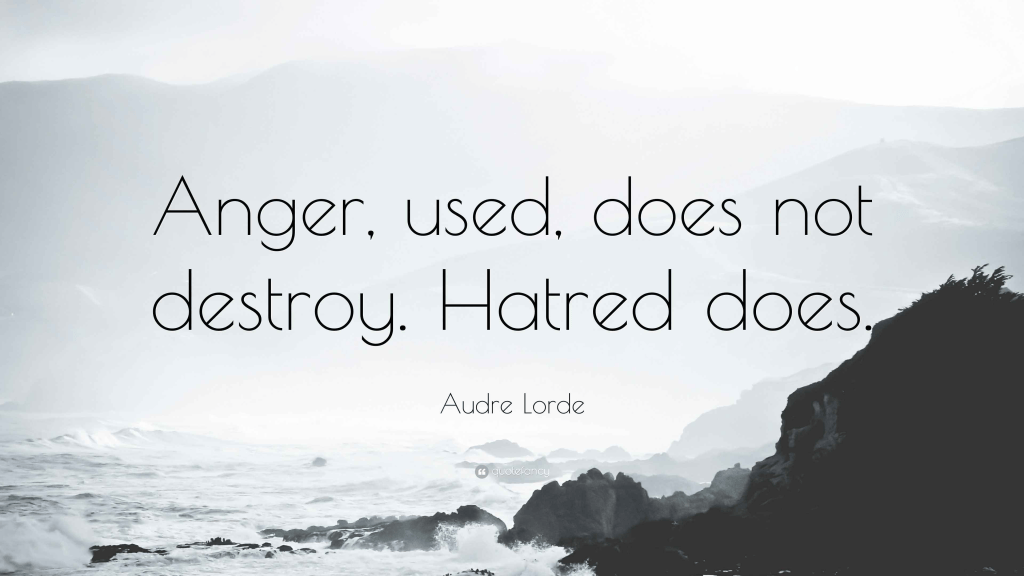
Lorde describes how anger is not always something bad and that it directs from experiencing racism or being treated poorly. How people should be paying closer attention to the root of these feelings rather than dismissing them. Lorde states, “Anger is loaded with information and energy (127).” Anger is something that can help people understand and recognize when something is wrong, and give them the courage to speak up about unfair treatment instead of being silenced. Lorde is essentially stating how black women are more often than not, judged without others taking a moment to try and understand their experiences.
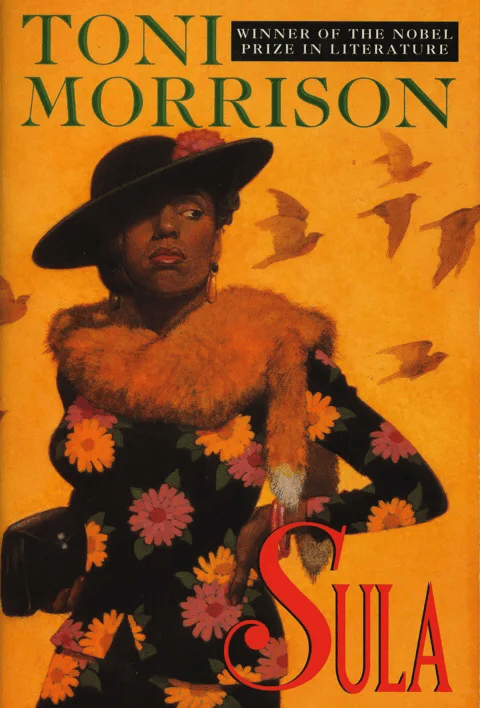
All of which connects to Sula because she is the prime example of not conforming to what people expect her to be and live like in her community. She does not “obey” the traditional rules placed against her and makes her own decisions and because of this she the people around her are quick to judge her and make her feel as though she does not belong. Even though Sula faces these circumstances she does not let it change who she is just to make others happy. She does not follow the same traditional path as the other women in her community; she continues to live how she wants no matter what people feel.
The way Sula is treated connects back to Lorde’s point about the way society reacts to women who go against its rules. The same way Lorde’s notion of people being quick to judge others instead of trying to understand them, plays into the way Sula’s community is focusing on her choices and blaming her for being, and choosing differently than the rest. People pay more attention to the parts of someone that does not fit their ideas of what is supposed to be “normal” and just view it as being rebellious.
Toni Morrison wrote, “Sula never competed; she simply helped others define themselves” (95). Sula does not make herself follow the same standards as other women and her status as an “other” stems from wanting to make her own choices about how she wants to live her life as she does not follow the traditional roles expected of her. The people around her constantly judge her just because of how different she is. Which connects to Audre Lorde’s writing because Lorde goes further into the idea that anger is caused by racism and Toni Morrison displays how rejection affects women who refuse to continue to follow society’s expectations of them. They both show how people who are misunderstood can be rejected by their communities.


Leave a Reply