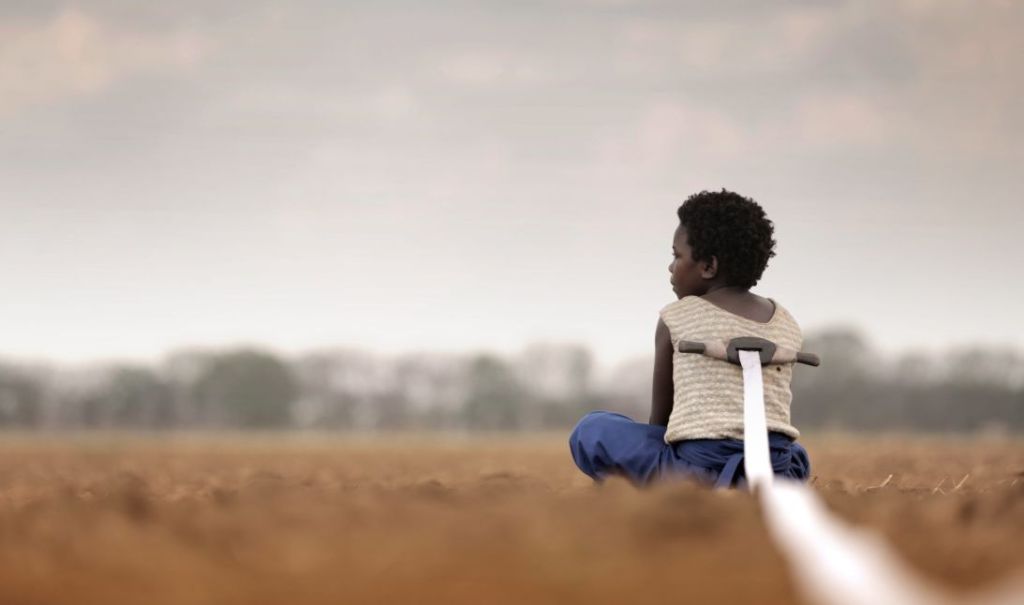
When I first watched I Am Not a Witch, one of the things that my attention was how Shula is treated differently from the other children. She is still a child, but the adults around her have already decided who she is and what her life is supposed to be. Because of this, even moments that should feel normal for a child become complicated. The school scene is a good example of this. Shula is surrounded by other children and briefly gets to experience something that looks like an ordinary childhood. However, that moment does not last. She is pulled away because she is needed for the rain ritual. To me, this scene shows that Shula can get close to having a normal childhood, but she is never completely allowed to have one.
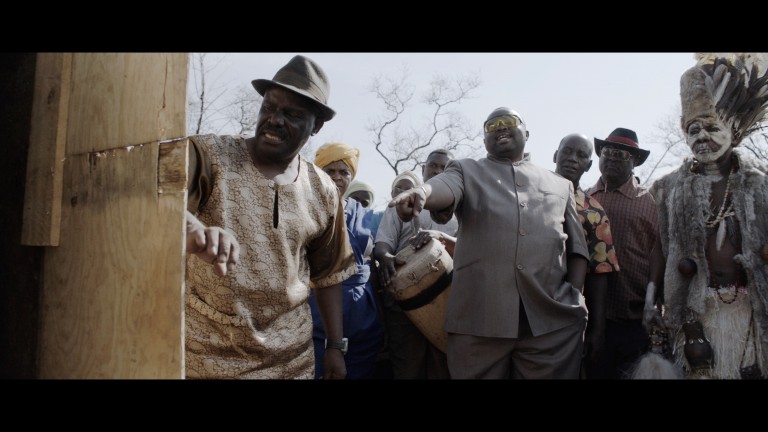
Rungano Nyoni uses several elements of film form to communicate this idea. We have learned that close-reading a text/film means paying attention not only to what happens in the story, but also to how the film communicates meaning through mise-en-scène, cinematography, editing, and sound. Mise-en-scène includes everything placed in front of the camera, such as setting, props, blocking, costumes, and lighting. Cinematography focuses on how the camera captures the action, while editing is the way shots are placed together. Sound also contributes to the meaning of a scene, including diegetic sound that comes from within the story world.
The mise-en-scène of the school scene is especially important because the school represents something that Shula has been missing: a normal childhood. She is placed among other children instead of only being surrounded by adults who treat her as a “witch.” The school environment gives her a chance to belong. At the same time, the white ribbon remains an important reminder of the control placed over her. The ribbon connects Shula to the witch camp and reminds us that she cannot completely separate herself from the identity that other people have forced onto her. The film’s use of the ribbon is especially important because Shula is physically tethered to the camp, making the object a clear visual representation of her lack of freedom.

I also think the blocking in the scene helps communicate this difference. At first, Shula is part of a group of children. She is physically in a place where she should be able to act like any other student. Then she is separated from that environment when she is taken away. This change in her position is meaningful because it visually shows the difference between belonging and being controlled. She is allowed to enter the world of ordinary childhood, but she is not allowed to stay there.
Cinematography also makes Shula’s separation important. Instead of thinking only about what happens, I started paying more attention to how the camera makes us watch what happens to her. The camera keeps our attention on Shula and the action surrounding her. When she is taken away from school, the moment feels personal because we are watching her experience the separation rather than simply hearing about it. This connects to what we learned about cinematography. Cinematography is not simply what the camera sees; it is how the camera captures what is happening through things such as framing, shot distance, and camera movement.

Editing also helps create the contrast between these two parts of Shula’s life. The scene connects her time at school with the moment when she is forced to leave. In film, editing is basically the way individual shots are put together to create meaning. Our class notes describe editing as the “syntax” of film because the order of shots affects how we understand what we are watching. In this scene, the movement from ordinary school life to Shula being taken away makes her freedom feel temporary. The school does not become a permanent new beginning for her. Instead, the interruption reminds us that the adults controlling her life can take that opportunity away whenever they want.
Sound contributes to this contrast as well. The sounds that come from the school environment help make the setting feel like an ordinary place for children. These are examples of diegetic sound because they belong to the world of the film. Our Week 4 notes explain that diegetic sound includes things such as characters speaking or sounds that come from sources within the story world. The normal sounds of school make Shula’s situation stand out even more. There is something unsettling about seeing a child in a familiar school environment while knowing that she does not have the same freedom as the other children.
What I find most interesting about this scene is that Nyoni does not need to explain everything directly to the audience. The film’s form does some of the explaining for her. The school setting gives us the idea of belonging. The ribbon reminds us of control. The camera keeps our attention on Shula. The editing connects her temporary freedom to her sudden removal. The sound makes the school feel like an ordinary childhood environment. When all of these elements are put together, the scene becomes more than just a moment where Shula leaves school.
It becomes a visual representation of what Shula’s life is like. She is physically close to a normal childhood, but other people have already decided that she is different. Her identity as a “witch” follows her even into a place where she should simply be a student. This is what makes the scene so sad to me. Shula does not seem to be asking for anything extraordinary. She is simply a child who should be allowed to learn, spend time with other children, and feel like she belongs.
Ultimately, I think Nyoni uses the school scene to show the difference between belonging and control. The school represents the childhood Shula could have had, while the ribbon and her removal from school remind us that other people continue to control her life. The scene shows that the problem is not just that Shula is called a witch. The larger problem is that other people use that identity to decide what she can and cannot do. Through mise-en-scène, cinematography, editing, and sound, Nyoni makes that loss of freedom visible to the audience.


Leave a Reply