Why do we call some writing “literature”? What makes us label something “art”? Why are art and literature important?
These are all questions we will seek to answer this semester in ENGL 262G: The Art of Literature, as we refine our close reading skills, encounter new critical lenses, and explore what lies ‘beyond the book.’
Latest
Reads


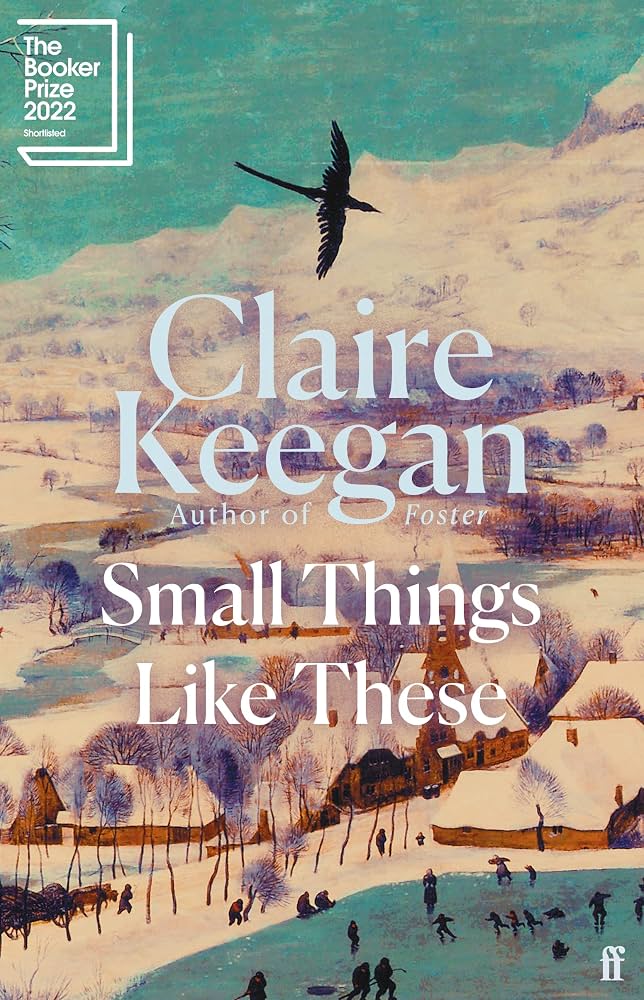
Why study art and literature? Neil deGrasse Tyson has a bit to say on the matter:
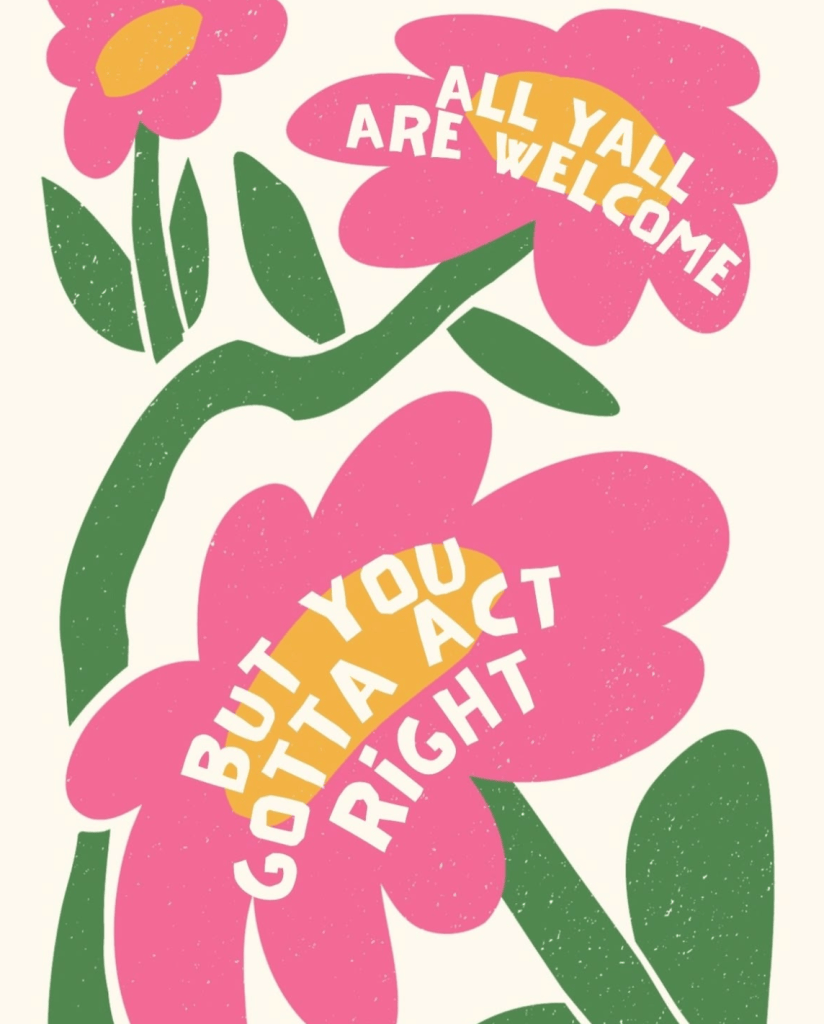
This is a safe space
Throughout the semester, we will explore texts that address challenging subject matter and themes. It is of the utmost importance that we approach these texts with an open mind and respect.
Inappropriate language, imagery, discussions, etc., will not be tolerated.
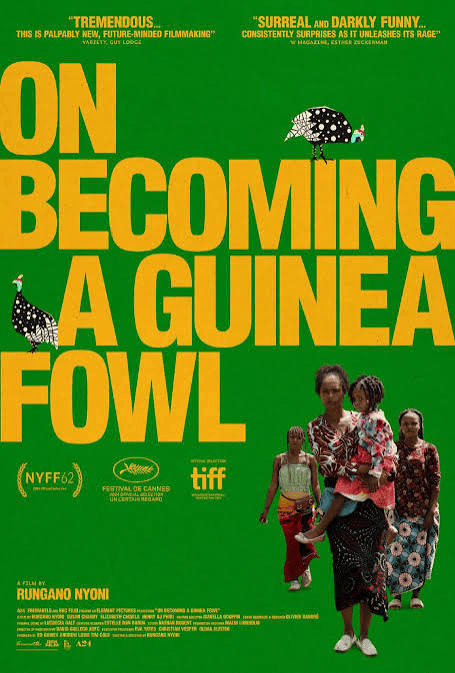
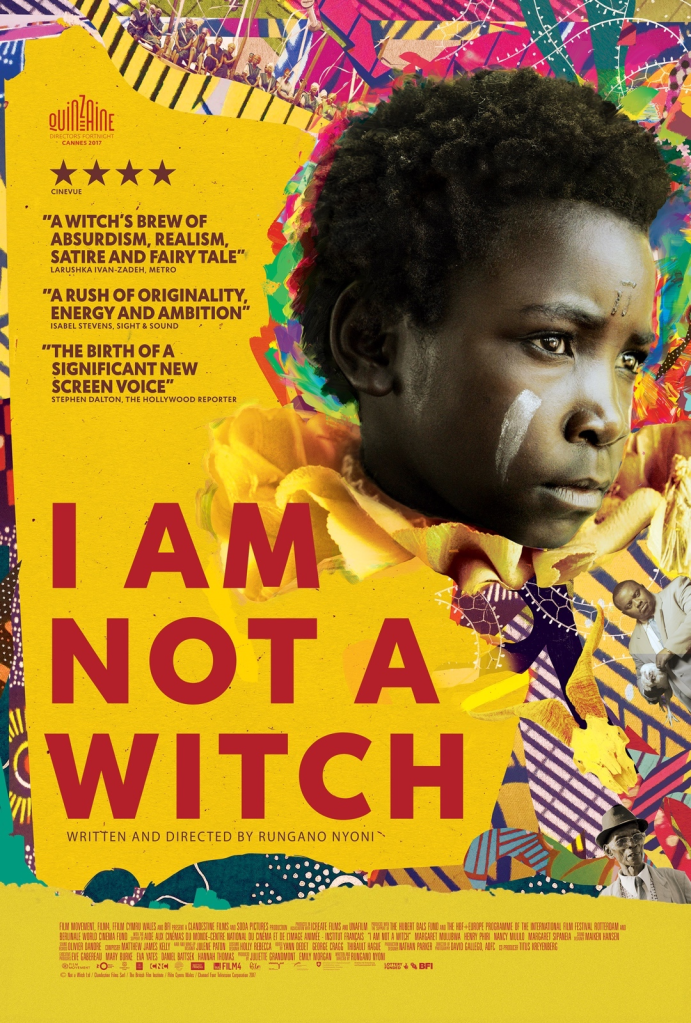
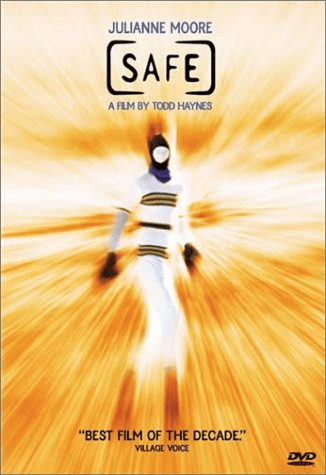
ENGL 262G Watchlist:
We read and write not only to create and consume stories, but also to see ourselves reflected in the words of others and to explore life through entirely different eyes.
Look for the holes in every fence….
Now Reading
This Week…
Date
September 11th
Lesson
Introductions
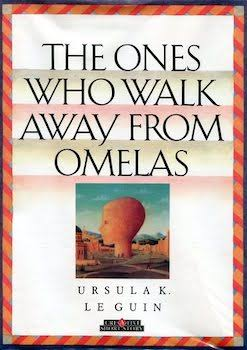
In this first class, we will review the syllabus and discuss how our weekly blog will work. Afterward, we will have a brief discussion about the questions of “What is literature and why should we study it?” We’ll then read Ursula K. Le Guin’s short story “The Ones Who Walk Away From Omelas” and introduce some of the close-reading skills we’ll discuss in more depth next week.
At the end of class, each student will have time to start working on their first blog post!
Looking forward to getting to know all of you this semester!
~Prof. Arous Nieves
Upcoming Meetings
Short Stories : Close Analysis Bootcamp (What, How, and Why?)
September 18th
Read: “Free Love” by Ali Smith; “A Perfect Day For Bananafish” by J.D. Salinger; “The Thing In The Forest” by A.S. Byatt; and the excerpt from Art Objects by Jeanette Winterson.
* You may use your laptops to access these readings during class
There will be an open-book syllabus quiz at the beginning of class.
At the end, I will distribute assignment sheets for your first Paper and “What is Literature” Statements.
Please have all introduction posts uploaded by 9/17 at 11:59 p.m. and come to class with an idea of which week you would like to post under (listed under ‘Posting Schedule ‘)
Antigone : An Ancient Play in Present Context
TBD
***This class session will be held at an alternate day/time; please keep an eye on your emails for more information.***
Read: Sophocles’ Antigone (Braun Translation) [bring your physical copy to class] and excerpts from Ilya Kaminsky’s Deaf Republic (can use laptops to access)
At the end of class, I will distribute assignment sheets and guidelines for your Blog Posts.
First posts are due by 10/1 at 11:59
Antigone and On Becoming a Guinea Fowl : Grief, Family, and Patriarchy
October 2
Read: Antigone (bring physical copy to class)
Watch: On Becoming a Guinea Fowl (Nyoni, 2024)
At the beginning of class, we will have our first reading quiz.
Then, our first bloggers will present their posts!
Week 5 posts are due by 10/8 at 11:59 p.m.
On 10/9, to close out Unit 1, we will be starting with our in-class close-analysis paper; please come prepared with a copy of your text.
Latest Discussions
Frequently Asked Questions
How does the blog ‘work’?
Each week, 3 people will respond to the blog prompt of the week in 500 words or more. Everyone else will need to leave at least one thoughtful comment of 100 words or more. All posts should be uploaded to the site by 11:59 p.m. on the Thursday before class. All commenters should post their replies by the following Monday.
How do I post?
First, you must make sure that you accept the invitation to be a blog author that was sent to your UMB email. Once an author, you will see a plus sign (+) with the word “New” at the top of the screen. Click the plus sign and select “post.” Once you are ready to publish your post, you will open the sidebar and click on the “categories” drop-down menu. Select the discussion number you are responding to, and press the blue “Publish” button in the top right corner!
Content Warnings?
The texts we will read this semester deal with some heavy, sensitive topics, including depictions of violence, racism, suicide, etc. If you have any concerns, please don’t hesitate to reach out to the instructor directly.
 artoflit.blog